 1 / 2
1 / 2Fullerton Train Museum
📍 Fullerton, CA
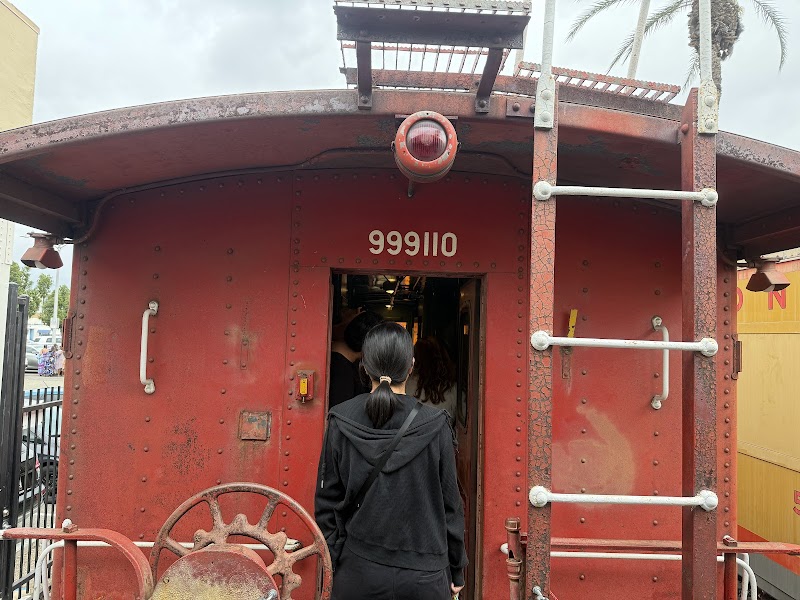
Six restored railcars from the 1920s-1960s at Fullerton Transportation Center, including Santa Fe sleeping cars, Union Pacific dining cars, and historic cabooses. Open on the 1st and 3rd Saturday of each month only.
🏆 Family Action Verdict
Best for school-age kids and teens with an interest in trains or American history. The volunteer-led format means the depth of the experience depends on conversation - families who engage with the guides get significantly more out of the visit.
ℹ️ What to Know Before You Go
💬 What Families Are Saying
View all reviews →78 Google reviews
G Reviews from Google
Peter G
11 months ago
“Please note, check their website before planning a visit. The folks here have been trying to update the days they are open on Google maps but to no avail. Much great work is being carried out here from the exterior painting of one of the rolling stock to a new exhibit being created within a car.”
Doug Steckman
4 years ago
“A great window into train travels about 1950. This provides some great details about what would have been seen and used by some passengers on a 36 hour train journey. Fortunately I was able to have a sit down chat with one of the volunteers who was more than happy to recount his experiences and answer all my questions. Worth waiting to have this experience which is only offered the first and third Saturdays 9-noon. A fine edition to the City of Fullerton in DTF.”
Karthik Raj
3 years ago
“A great walk through American railroad history and the transit future that could have been, lost to the freeways and automobiles. Run by volunteers who are very passionate about railroads and trains and had a lot of personal memories to share. Stop by if you’re in town, and your plans would be on track. Please donate to keep them continue the great work. No entry fees.”
💬 What parents mention
Overview
The Fullerton Train Museum preserves six vintage railcars at the Fullerton Transportation Center, spanning Santa Fe sleeping cars, Union Pacific dining cars, and classic cabooses from the golden age of rail. Volunteer guides share personal memories of rail travel alongside the history of Southern California's railroad network. Entry and parking are free. Access requires crossing a pedestrian bridge to reach the entrance.