 1 / 2
1 / 2World of Birds
📍 The Bronx, NY
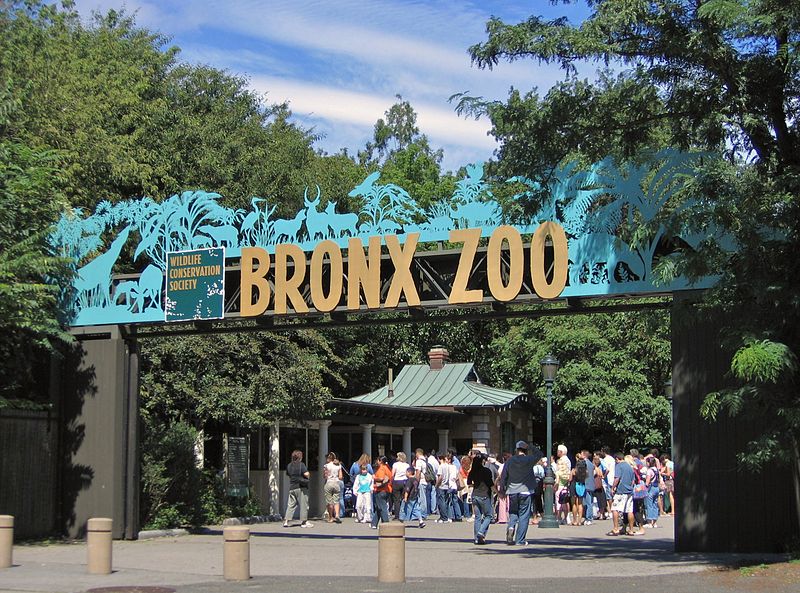
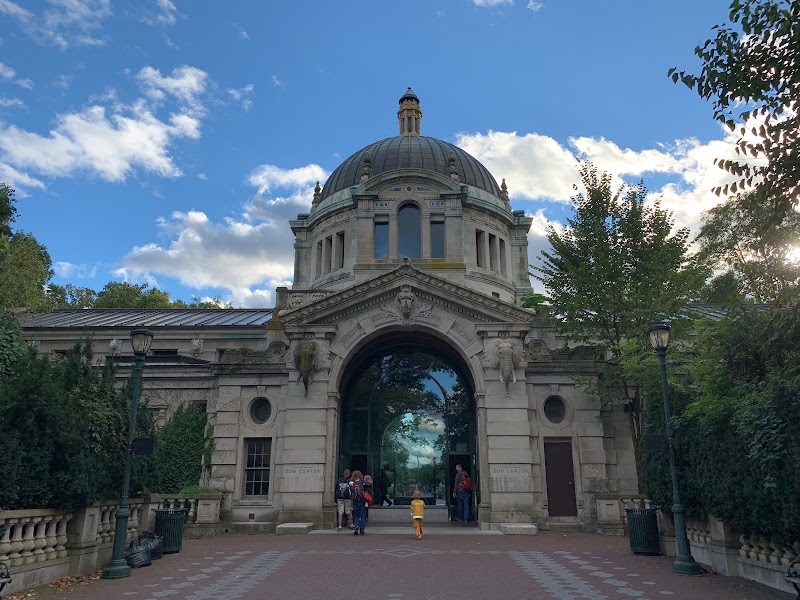
World of Birds at the Bronx Zoo spans 30,000 square feet across multiple replicated habitats - deserts, rainforests with waterfalls, alpine forests. Several exhibits use no glass or mesh barriers. Admission is included with all Bronx Zoo tickets.
🏆 Family Action Verdict
The open-habitat format and dramatic simulated environments - including working waterfalls and thunderstorm effects - hold the attention of children across a wide age range. The educational signage and sheer species variety make it a strong choice for school-age kids.
ℹ️ What to Know Before You Go
💬 What Families Are Saying
View all reviews →413 Google reviews
G Reviews from Google
michael, certified food eater
6 months ago
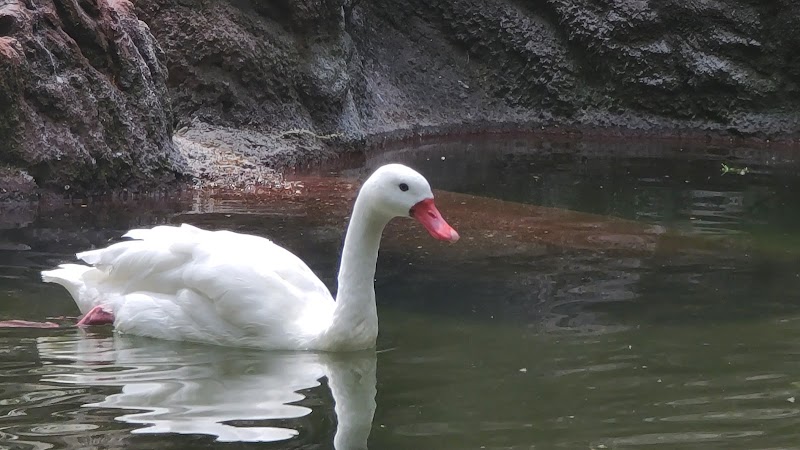
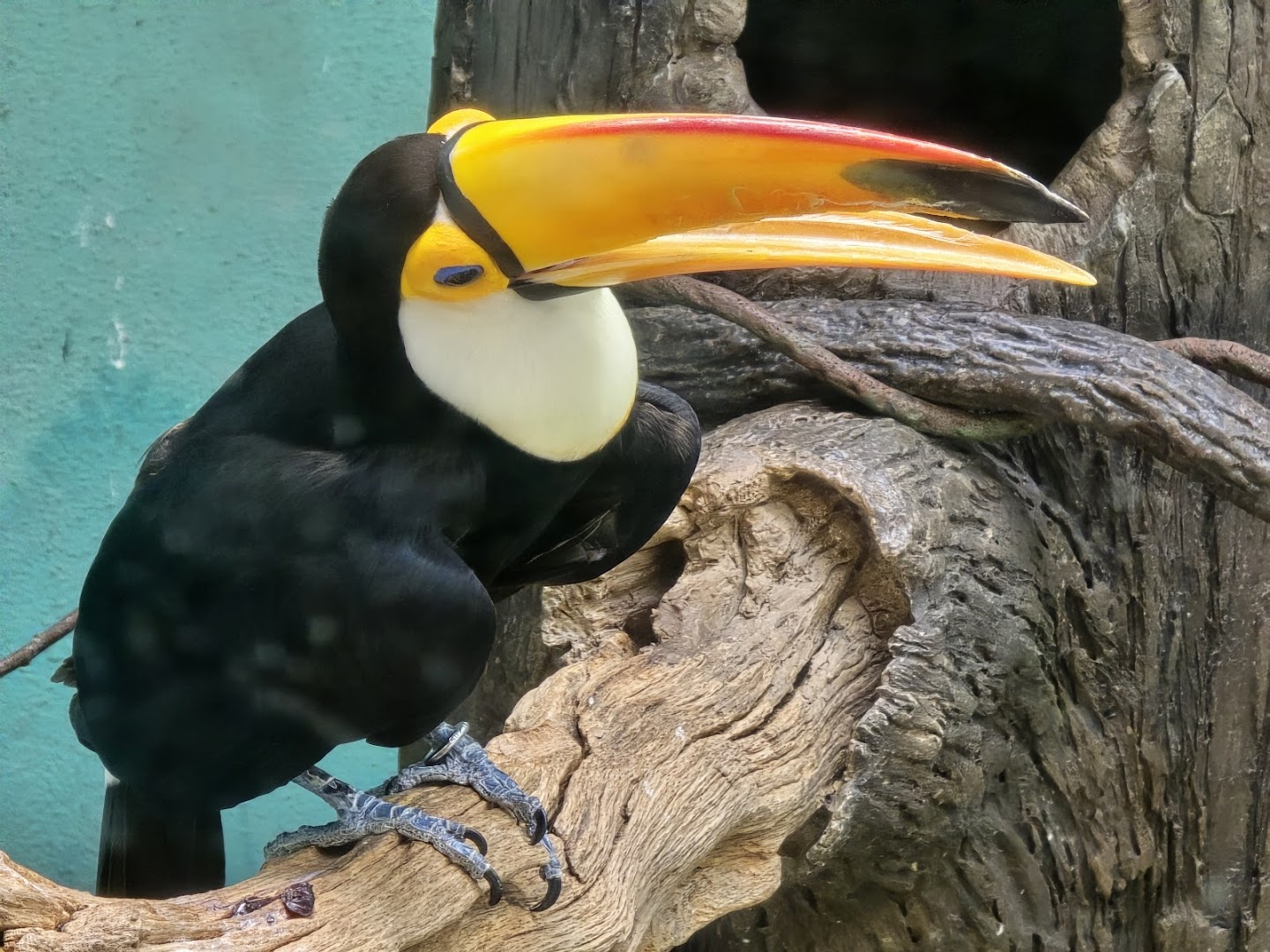
“I particularly enjoyed the bird displays. Although I will note that on a few occasions, I was unable to distinguish bird screeches from the sound of unsupervised children. But I think I formed an emotional connection with this pictured bird. Will consider returning to visit it, much like how one would visit a family member in jail for a false disorderly conduct charge.”
John Davis
7 months ago
“One of the best bird exhibits in NYC, offering an impressive variety of species. The exhibit provides an engaging and educational experience, with well-maintained enclosures and informative displays that make it enjoyable for visitors of all ages.”
Luke Woods
6 months ago
“The place looked well maintained.”
💬 What parents mention
Overview
World of Birds, open since 1972, is one of the Bronx Zoo's landmark indoor exhibits. Ramps guide visitors through recreated global habitats - African savannas, tropical rainforests with simulated storms, and mountain forests - housing species like the Sulawesi knobbed hornbill, Andean cock-of-the-rock, ocellated turkey, and two bee-eater species. Angled skylights flood the space with natural light.