 1 / 3
1 / 3American Museum of Natural History
📍 Manhattan, NY
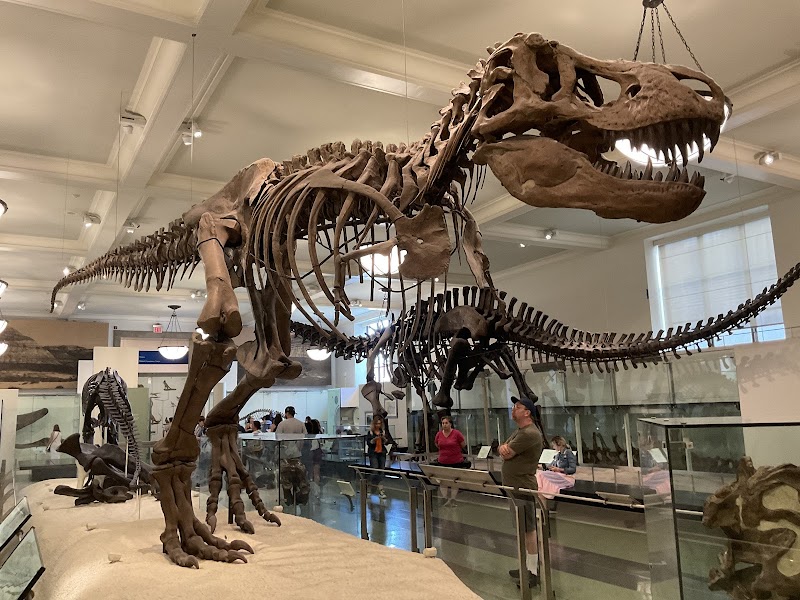
Manhattan's landmark natural history museum spanning 45 exhibition halls with T-Rex fossils, a 94-foot blue whale model, planetarium shows, and interactive discovery rooms. Plan a minimum of four hours.
🏆 Family Action Verdict
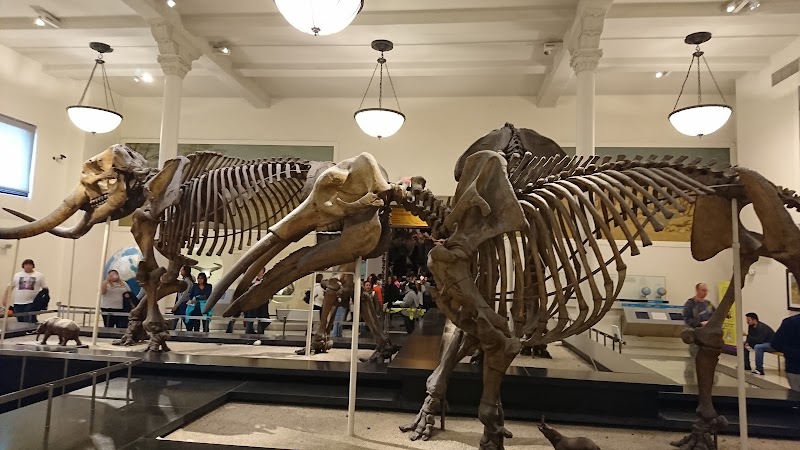
Best for families with curious children aged 3 and up who want depth across natural history, astronomy, and earth science. The dinosaur halls and blue whale room are non-negotiable stops. Pick two or three additional halls as targets - attempting to cover 45 halls in one visit defeats the pace needed to actually absorb the exhibits.
ℹ️ What to Know Before You Go
💬 What Families Are Saying
View all reviews →23,944 Google reviews
G Reviews from Google
George Fine
8 months ago
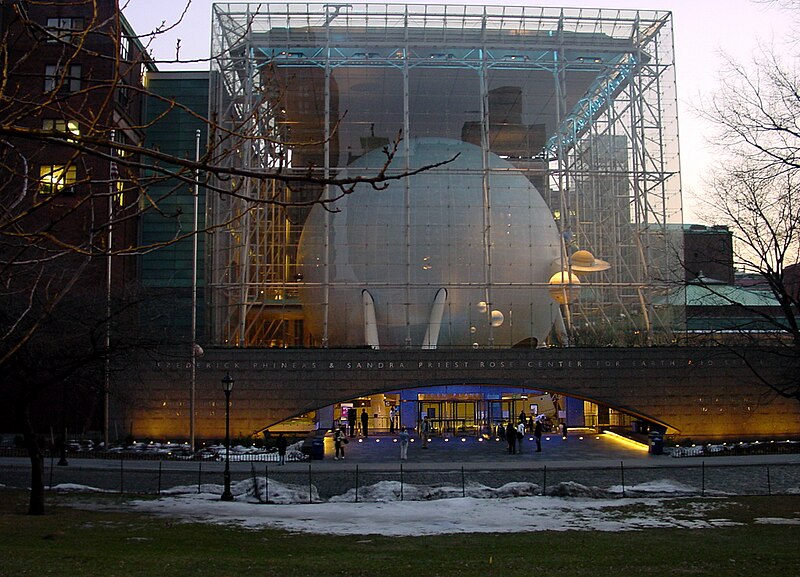
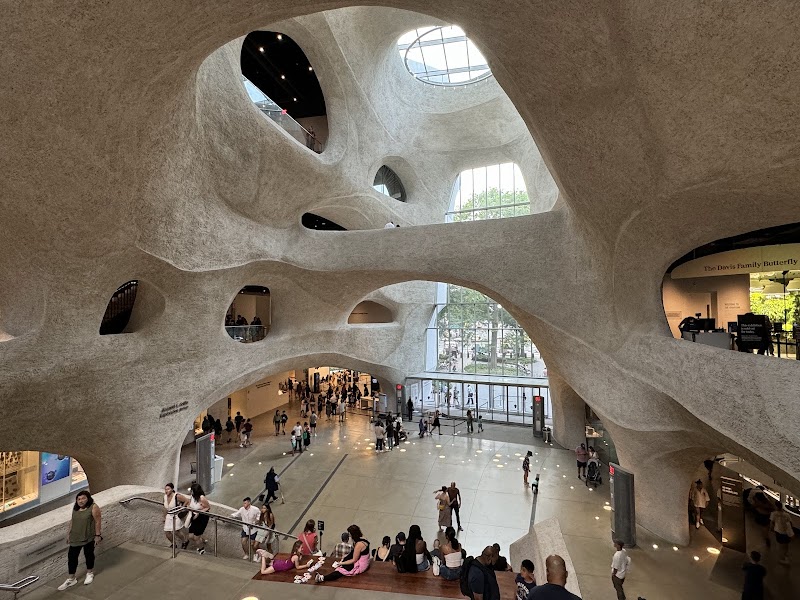
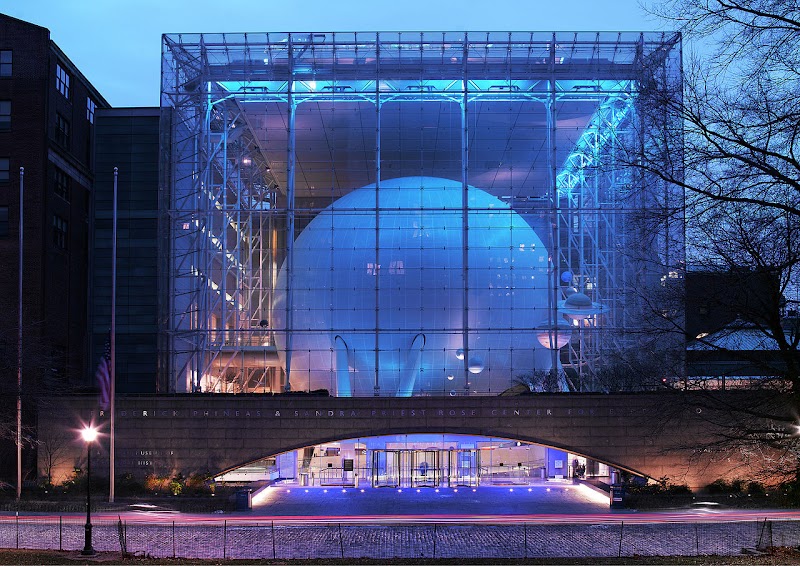
“The world's preeminent scientific and cultural institutions, spanning four city blocks on Manhattan's Upper West Side. Since its founding, it has served as a global leader in scientific research and public education, housing over 34 million specimens and artifacts. Early Years: Originally housed in the Central Park Arsenal, the museum moved to its current location in Manhattan Square in 1877. The first building was opened by President Rutherford B. Hayes. Golden Age of Exploration: Between 1880 and 1930, the museum sponsored legendary expeditions worldwide. Notable highlights include Roy Chapman Andrews’ discovery of the first dinosaur eggs in the Gobi Desert and Robert Peary’s Arctic expeditions. Diorama Innovation: In the early 20th century, pioneers like Carl Akeley revolutionized museum displays by creating lifelike habitat dioramas, many of which remain iconic features of the museum today. Modern Expansion: The museum has continued to evolve with the addition of the Rose Center for Earth and Space in 2000 and the Richard Gilder Center for Science, Education, and Innovation in 2023. The institution is dedicated to discovering and disseminating knowledge about human cultures, the natural world, and the universe through its 45 permanent exhibition halls. Fossil Halls: Home to one of the world's greatest assemblages of dinosaur bones, including a 122-foot-long Titanosaur and a massive Tyrannosaurus rex. Milstein Hall of Ocean Life: Famous for its 94-foot-long blue whale model suspended from the ceiling, representing the largest animal to ever live. Space & Beyond: The Hayden Planetarium offers cutting-edge space shows and immersive experiences that explore the origins and systems of our solar system and galaxy. Human Origins: The Spitzer Hall of Human Origins showcases the evidence of human evolution, featuring famous fossils like "Lucy."”
Nafisa Qobilzoda
10 months ago
“We visited the American Museum of Natural History as a family, and it was a wonderful experience. On the first floor, we explored many different animals and their habitats - bears, deer, caribou, tigers, lions, and more. On the second floor, we went into the planetarium for the Big Bang show, which was fascinating to see from a scientific point of view. We also loved the massive blue whale and all the beautiful sea creatures around it. This museum is also great for kids. My 3-year-old daughter was curious about everything and kept asking, “What is this? What is this?” It was a beautiful way for her to learn and expand her understanding of the world. One of my favorite parts was the section about world cultures. I truly appreciated seeing the displays about Islam - the Kaaba, the Qur’an, traditional Muslim clothing, and cities like Isfahan. When the azan played, my daughter immediately recognized it and said, “Mama, that’s azan!” It made me so happy. Tip: The museum is huge, so don’t try to finish it in one visit. We stayed from 12:00 to 4:30 and still saw only part of it. Definitely worth visiting!”
Jennifer Kopp
9 months ago
“The American Museum of Natural History is massive. Do not be like me and think you can "squeeze in" a visit here to indulge your curiosity quickly. You will get lost immediately in the 21 buildings, 45 exhibition halls and 2,500,000 square feet of space. Since my time was in fact limited, I chose a few highlights and walked as quickly to each of them as possible. I am not saying I was walking 1/2 miles in between each exhibit, but I may have. Again, plan this place out and don't just go wandering around. I loved the dinosaurs, gems and anything with animals. Just when you thought you had seen a lot of dinosaurs at this museum, there is yet another room filled with even more of them. It is unbelievable! Love this place! Attached are a few highlights from the things I was able to see. #amnh #nyc #museum #dinosaurmuseum”
💬 What parents mention
Overview
The American Museum of Natural History spans 21 interconnected buildings across the Upper West Side with 45 exhibition halls housing over 34 million specimens. Headline exhibits include the fourth-floor dinosaur halls with the T-Rex and Triceratops, the blue whale suspended in the Milstein Hall of Ocean Life, the Hall of Gems, and the Rose Center for Earth and Space planetarium. The Discovery Room provides hands-on exploration for younger children.