 1 / 3
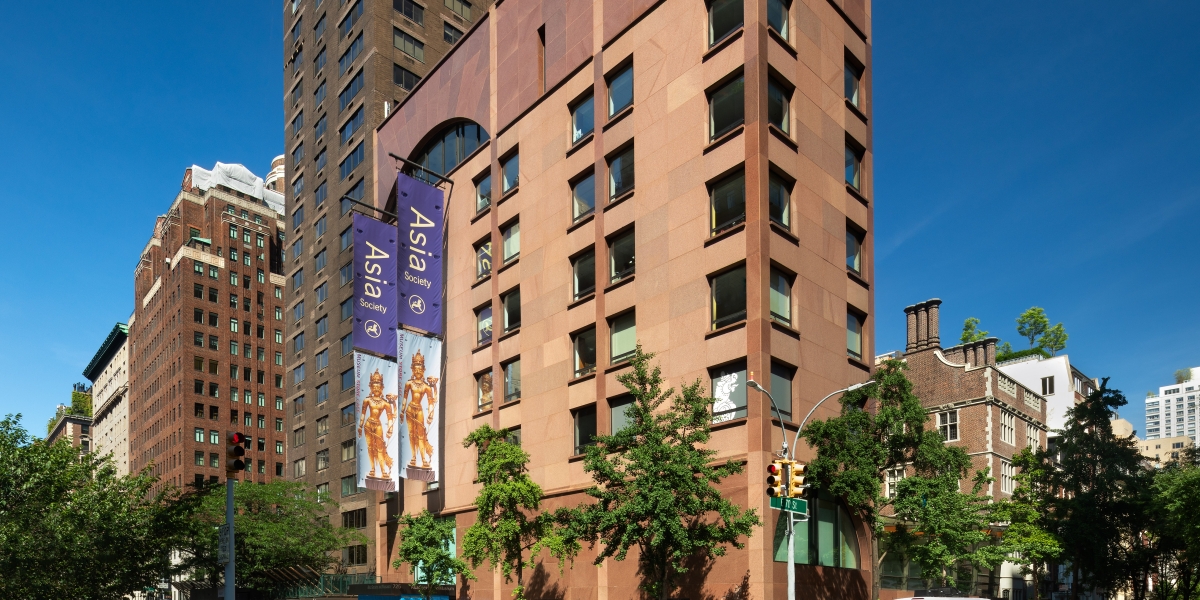
1 / 3Asia Society and Museum
📍 Manhattan, NY
Nonprofit museum founded 1956 by John D. Rockefeller III, showcasing traditional and contemporary Asian art with interactive exhibits. School-age children engage most with the curated exhibitions pairing ancient works with modern artists.
🏆 Family Action Verdict
Best for school-age children with curiosity about art and Asian cultures. The curated exhibitions reward kids who ask questions, and staff actively engage young visitors. Toddlers and kids under 5 will find sparse hands-on programming. Weekday mornings give the smoothest, quietest experience.
ℹ️ What to Know Before You Go
💬 What Families Are Saying
View all reviews →581 Google reviews
G Reviews from Google
Kenneth Wong
11 months ago
“Curated as an intergenerational, intercultural conversation, Re(Generations) asks how Asian art objects from antiquity can continue to inspire artists negotiating the global present. By pairing contemporary works with selections from Asia Society’s historic collection, the exhibition emphasizes continuity rather than rupture-how motifs, symbols, and materials regenerate across time and migration. Rina Banerjee’s sculptures dominate the gallery with hybrid mythic presences-female forms festooned with horns, feathers, amber bottles, cowry shells, and silk, suspended between beauty and menace. Her poetic titles and assemblages transform colonial remnants into avatars of displacement and power, evoking Hindu goddesses while reframing femininity as a site of resistance. In She drew a premature prick… (2011), Banerjee’s bricolage of global materials reanimates the body as both wounded and exalted-an emblem of diaspora and the uncanny circulation of objects and people. Howardena Pindell’s Autobiography: Japan (Shisen-dō, Kyoto) (1982) and her accompanying wall text provide a meditative counterpoint. Drawing from her time in Kyoto, Pindell turns personal reflection into abstraction: circular collages and mixed media works that suggest maps of spiritual refuge. Her words-“What nourished me and gave me energy was the traditional Japanese way of organizing space…”-anchor the exhibition in quiet introspection. In contrast to Banerjee’s maximalism, Pindell’s rhythmic compositions suggest repair and solace after alienation, particularly poignant given her experience as an African American woman in Japan. Byron Kim’s subtle chromatic studies connect bodily and atmospheric perception, completing a triadic conversation about identity, materiality, and cross-cultural translation. Together, these artists bridge histories of trade, empire, and migration, transforming the Rockefeller Collection’s classical Asian art into a living archive of renewal.”
A Anindita
11 months ago
“We had the chance to perform at the Asia Society and Museum, and it was such a meaningful experience. The venue has a beautiful atmosphere and a great location, though the building itself is a bit old and could use some updated equipment. A bigger dressing room would also be really helpful for performers. What really made the experience special was the people. The staff were amazing, especially Rachael and Diya, and also the security team. All so kind, professional, and supportive. They made us feel welcome and taken care of throughout our time there. It’s a lovely and inspiring place to perform, with wonderful people behind it.”
korra dale
7 months ago
“Had a very smooth weekday visit to the Asia Society. We were inside in under 10 minutes and found the exhibits to be beautifully presented and highly informative. It is a great cultural destination for anyone looking to learn more about Asian art and history.”
💬 What parents mention
Overview
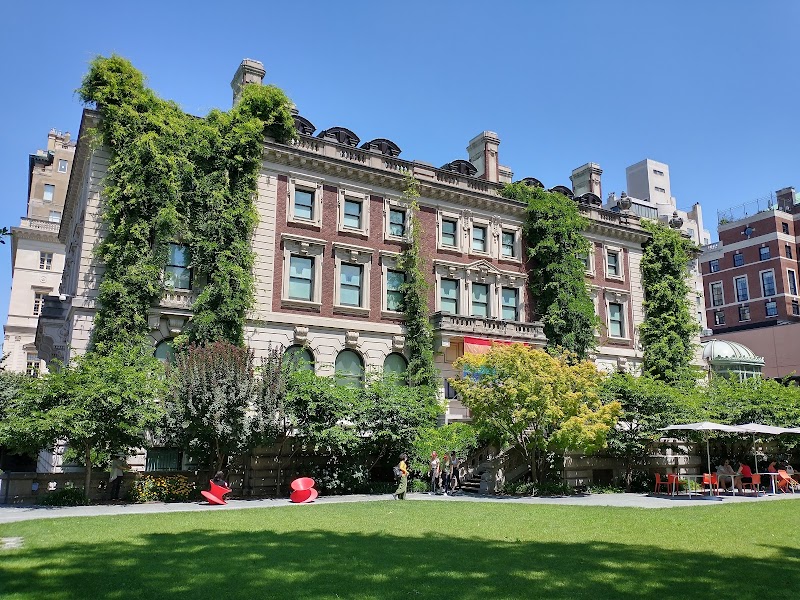
Asia Society and Museum pairs antiquity-to-present Asian art in exhibitions like Re(Generations), where historic collection pieces are displayed alongside contemporary works negotiating global identity. Staff are consistently praised as friendly and knowledgeable. Weekday visits move quickly - inside in under 10 minutes. The 1903-era building has charm and pram-accessible galleries.