 1 / 3
1 / 3The Frick Collection
📍 Manhattan, NY
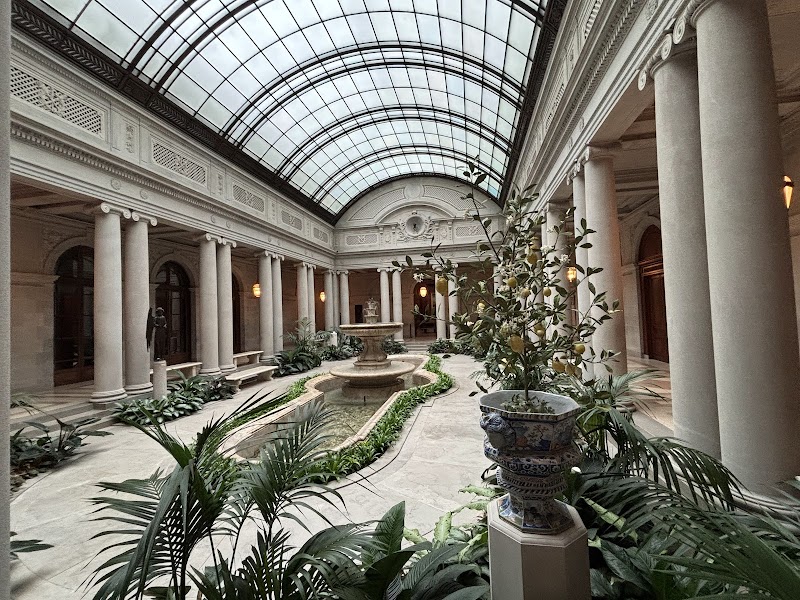
Former Fifth Avenue mansion turned intimate art museum, recently renovated with a new cafe and second floor. Three Vermeers alone justify the visit. Timed entry required; photography restricted to the atrium only.
🏆 Family Action Verdict
Best for families with teens or older children who engage with European art history. The intimate scale and period-room settings make masterpieces feel personal rather than institutional. Children under 10 will likely struggle with strict no-touch, no-photography enforcement throughout the galleries - save this one for art-curious older kids.
ℹ️ What to Know Before You Go
💬 What Families Are Saying
View all reviews →4,588 Google reviews
G Reviews from Google
Sterling Glen
8 months ago
“The Frick Collection Positioned along Fifth Avenue between 70th and 71st Streets, at the edge of Central Park, The Frick Collection occupies one of Manhattan’s most discreetly privileged addresses, a setting that already suggests restraint, confidence, and permanence. The museum’s $330 Million renovation, completed last spring, honors these qualities with uncommon sensitivity. The transformation, led by Selldorf Architects, is a genuine cultural achievement. It expands the institution while deepening its intimacy, inviting visitors not simply to see more, but to see better, with time, space, and stillness working quietly in their favor. The renovation adds roughly 30% more gallery space, a gracefully proportioned 218 seat auditorium, and access to previously closed rooms of the original mansion. These additions feel discovered rather than announced. Nothing proclaims itself. The Frick has grown, yet remains unmistakably itself. A slender bridge of bronze and glass now connects the mansion and library, floating lightly between past and present, an elegant, almost whispered gesture that captures the renovation’s governing spirit. The space feels renewed, not replaced, preserving the essential character of a private home whose historical presence still quietly shapes every room. Inside, the experience unfolds with unforced generosity. Gilbert Stuart’s commanding portrait of George Washington anchors the collection with quiet authority, while masterworks by Sir Joshua Reynolds, Jean Honoré Fragonard, Johannes Vermeer, Hans Holbein the Younger, and Thomas Gainsborough appear not as trophies, but as residents. Renaissance and Impressionist paintings coexist effortlessly with sculpture, furniture, and decorative arts, all arranged within a cloister like mansion that favors contemplation over spectacle. Light drifts naturally from room to room. Walls breathe. Silence sharpens perception. The architecture itself guides how art is experienced. In the long gallery, monumental canvases by Reynolds and his contemporaries command the space they require, their grandeur legible only at a distance that allows the eye to take in their full sweep and ambition. Upstairs, the second floor Impressionist galleries offer something entirely different. These are deliberately scaled spaces, cozy and intimate, designed to bring you close rather than hold you back. Works by Jean Baptiste Camille Corot, Édouard Manet, and Pierre Auguste Renoir are encountered at human range, near enough to see brushwork, hesitation, and confidence laid bare. The contrast is intentional. Scale serves meaning. You don’t simply view the paintings. You live with them briefly, as their original owner once did. The renovation also offers something increasingly rare in New York. A sense of pause. The restored garden provides a quiet refuge, manicured and serene, where the visit can settle and the mind reset. Nearby, the sunlit atrium draws daylight deep into the building, softening stone and lifting the atmosphere. The gentle sound of water in the atrium pool provides a calming undercurrent, a reminder that such tranquility exists because it is held within a city whose energy once attracted the captains of industry who built lives, collections, and palatial expressions of wealth devoted to beauty itself. Even the logistics feel thoughtfully resolved. Members enter directly, bypassing timed entry lines that often stretch around the block, and express coat check ensures you’re viewing art almost as soon as you arrive. There’s no friction, no sense of being rushed. The visit begins calmly, already aligned with the Frick’s renewed rhythm.”
Oscar Ruf
7 months ago
“The Frick Collection is an exquisite gem in New York, offering an intimate, almost private experience with world-class art. The mansion setting creates a uniquely peaceful atmosphere, far from the feel of crowded mega-museums. Masterpieces by Vermeer, Rembrandt, Velázquez, and other European masters are beautifully displayed in elegant, lived-in rooms. The scale is perfect: small enough to enjoy without feeling overwhelmed, yet rich enough to reward repeat visits. Overall, it is an absolute must-see for anyone who loves art, history, and refined architecture. (Some reference pics attached, because photos are not allowed inside, except this two areas)”
Rebecca Meador
6 months ago
“The Frick Collection is a romantic experience of art and American history. The house has been beautifully and masterfully restored, opening the second floor and adding in a cafe. Visit the cafe for coffee, a mixed drink, and a light snack or even full meal. Visit the gift shop for a lovely keepsake, visit the museum for sure. The indoor atrium is the only place where pictures are allowed, so make sure to stop in there and grab selfies and a photo to memorialize your visit. Top notch events and exhibit make The Frick One of the best museums in the world.”
💬 What parents mention
Overview
Henry Clay Frick's restored Fifth Avenue mansion displays Old Master paintings in period rooms rather than clinical white-box galleries. The a major renovation opened the second floor and added a cafe serving light meals and cocktails. Mobile guides enhance self-paced exploration. Timed tickets keep crowd density low, making this one of Manhattan's most contemplative museum experiences. Photography is permitted only in the indoor atrium.