 1 / 2
1 / 2Petersen Automotive Museum
📍 Central LA, CA
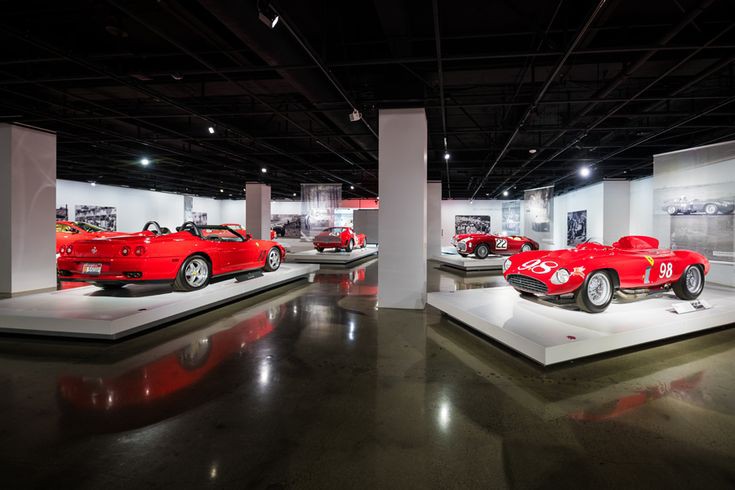
Renowned LA automotive museum spanning multiple floors of rotating exhibits covering design, engineering, and car culture history. The underground Vault holds 300-plus rare vehicles and requires separate admission.
🏆 Family Action Verdict
Best for families with car-enthusiast parents and school-age or older children who can engage with automotive history and design. The Vault is the centrepiece and earns universal recommendation from reviewers who did it. Younger children benefit from the Little Sparks and Mini Motors programs, which provide structured hands-on engagement.
ℹ️ What to Know Before You Go
💬 What Families Are Saying
View all reviews →13,342 Google reviews
G Reviews from Google
Bell
8 months ago
“The Petersen Automotive Museum remains one of the most effective educational spaces for understanding how design, engineering, and commercialization shape the world we live in. It shows that automotive innovation has always been driven by human creativity-by people whose instincts, cultural influences, and personal tastes guide decisions that no algorithm can fully predict. From hand‑built speed machines to experimental autonomous vehicles, the museum makes clear that progress is a continuum shaped by curiosity, discipline, and community. The museum’s foundation reflects this logic. Robert E. Petersen, who launched Hot Rod Magazine in 1948 with only $400, built a publishing empire that documented automotive culture long before digital platforms existed. His work created a public record of engineering trends, design experiments, and community innovation. Strengthened by a landmark $100 million donation from the Petersen Foundation, the museum continues that mission by preserving the artifacts and ideas that shaped modern mobility. One of the most fascinating examples is the 1954 Goodyear Neothane illuminated tire-an experiment in translucent synthetic rubber that glowed under headlights. Visually stunning, but ultimately impractical, the tires overheated, wore quickly, and risked distracting other drivers. Their story is a perfect lesson in why design must be paired with analysis, regulation, and responsible commercialization. Innovation is exciting, but it must also be safe, feasible, and socially responsible. The museum also highlights the importance of documentation and research. Understanding how design evolves-through successes and failures-helps society improve safety, efficiency, and quality of life. Manufacturing completes this cycle: series production, component specialization, and in‑house fabrication create jobs, spread technical knowledge, and strengthen local economies. When done responsibly, manufacturing supports affordability and prevents “technology deserts” where innovation becomes inaccessible. The Petersen ties all of this together through immersive experiences. The Vault upgrade is a standout-an underground collection of rare prototypes, historic vehicles, and design icons that reveal the global evolution of mobility. The museum also integrates interactive video‑game stations, vehicle‑inspired art, and hands‑on educational displays that make engineering approachable for all ages. What elevates the experience even further is the staff: contributors who genuinely enjoy sharing stories, technical insights, and even small details like why a particular shade of paint mattered in a specific era. Tip: If you visit, don’t skip the gift shop-not only is it full of well‑curated automotive books, models, and design merchandise, but any purchase lets you validate parking until 10 PM, which is a clever and very welcome perk in Los Angeles. Start from the Top down Vault exclusive and had an additional cost. The museum changes its exhibits periodically so it’s great to revisit. The Petersen is more than a museum; it’s a living classroom that connects design, engineering, culture, and responsible commercialization. Whether you’re an enthusiast, a student, or simply curious about how innovation shapes society, it’s absolutely worth the visit.”
Jazz A
8 months ago
“The only negative thing here is that the website says they have electric vehicle charging but they do not. Due to museum patrons arguing over the chargers or using them as a parking stall, the chargers are not online anymore. Other than that, I had a wonderful experience there. I did sign up for the family membership and entered The Vault. When you go, you definitely want to go to the Vault first because the car collection is extensive in there. Definitely you'll need to spend at least 2 hours on that level. The rest of the levels can probably be seen in another one and a half to 2 hours depending on how fast you walk through it and how many questions you ask to their very very helpful and educated staff. As I said, I signed up for the family membership so I will be going back to make it worthwhile. Of course, because these are classic and exotic cars (and bicycles/motorcycles) they cannot be touched or walked around, in most cases, but there is a room where there are some cool things to touch such as a fuzzy Fiat and artwork you can get inside of. That's probably the best for kids I did see another area for little children but I did not go into it this time. It's funny to think that a car from the 1990's is considered a classic now but... such is life. Cool place to see the progression of time through automobiles.”
DOLLY M.
7 months ago
“Went on a day date here & it was really nice. I love this place because I grew up with a dad & brother who loved cars & my brother always had lowered cars/trucks so I learned to love cars, especially classics. There was lots to see & appreciate. I especially loved seeing Baby from Supernatural (she was very sweet) & the Mystery Machine from Scooby Doo. They had a cool section filled with 80's things & an exhibit of Mr Brainwash's that was partially interactive & very, very cool. U can even sit in some of the installations to take pictures. There was an exhibit for motocross & off roading where you can watch films & they reminded me of my brother's motocross days, so it was very cool. They have a race car simulator too that you can get in and drive! That thing was crazy & had us sweating by the end! Nerve-racking!! Lolol. But it was a lot of fun! I even got dizzy for a second, its so realistic! Overall, the visit was great! Parking was easy & there is a lot to see! Check out the Astin Martin's though! You will fall in love!! I need one! Lol”
💬 What parents mention
Overview
The Petersen Automotive Museum curates rotating exhibitions covering automotive design, engineering, and culture - current displays include Aston Martin and 80s/90s car culture. Interactive race simulators and touchable exhibits provide hands-on engagement. The underground Vault houses 300-plus rare and historically significant vehicles and is consistently rated the highlight of the visit. Family programs include Mini Motors science workshops and Little Sparks sessions for younger visitors.